BROWSE Columns


✕


What first attracted you to photography?
I’ve always liked photography. I had a little camera as a child and took lots of photos, especially on holidays. But I only really began to take it more seriously around 2005.
[metadata: device=childhood compact | ISO=memory-high | colour mode=nostalgia | file_status=recovered]
When you were a child taking photos on holiday, what kind of images did you instinctively point your camera toward? Do you still make those pictures today?
As a child I photographed the usual things—family, friends, landscapes, tourist spots. The first things I took a bit more seriously were reflections, and after leaving that aside for a while, I’ve come back to them again, but in a completely different way.
[metadata: subject_recognition=family+terrain | reflection_tag=reappearing | focal_drift=cyclical]
Do you remember the first time a reflection photograph “clicked” for you?
Yes, the first reflection shot that I thought really worked was one of a cottage reflected in a very large puddle. It was a day with wonderful light after a day of heavy rain. I took it in colour. I now wonder what it would have looked like in black and white.
[metadata: surface=water-mirror | exposure=post-rain clarity | colour_profile=questioning | hypothetical_bw=processing…]
Who or what has shaped your visual imagination over the years?
My influences are actually more philosophical or literary, given my background as a university lecturer in French literature and “theory.” Reading the likes of Jacques Derrida changed how I looked at the world. The uncertainty and undecidability you find in literature affect how I photograph—there’s an ambiguity, though not a direct influence. The photographers I most admire are Daido Moriyama, Anders Petersen, and William Klein. I also admire Hiroshi Sugimoto for the radicality of his process, which is unlike anything else.
How do you think theory shapes the act of seeing?
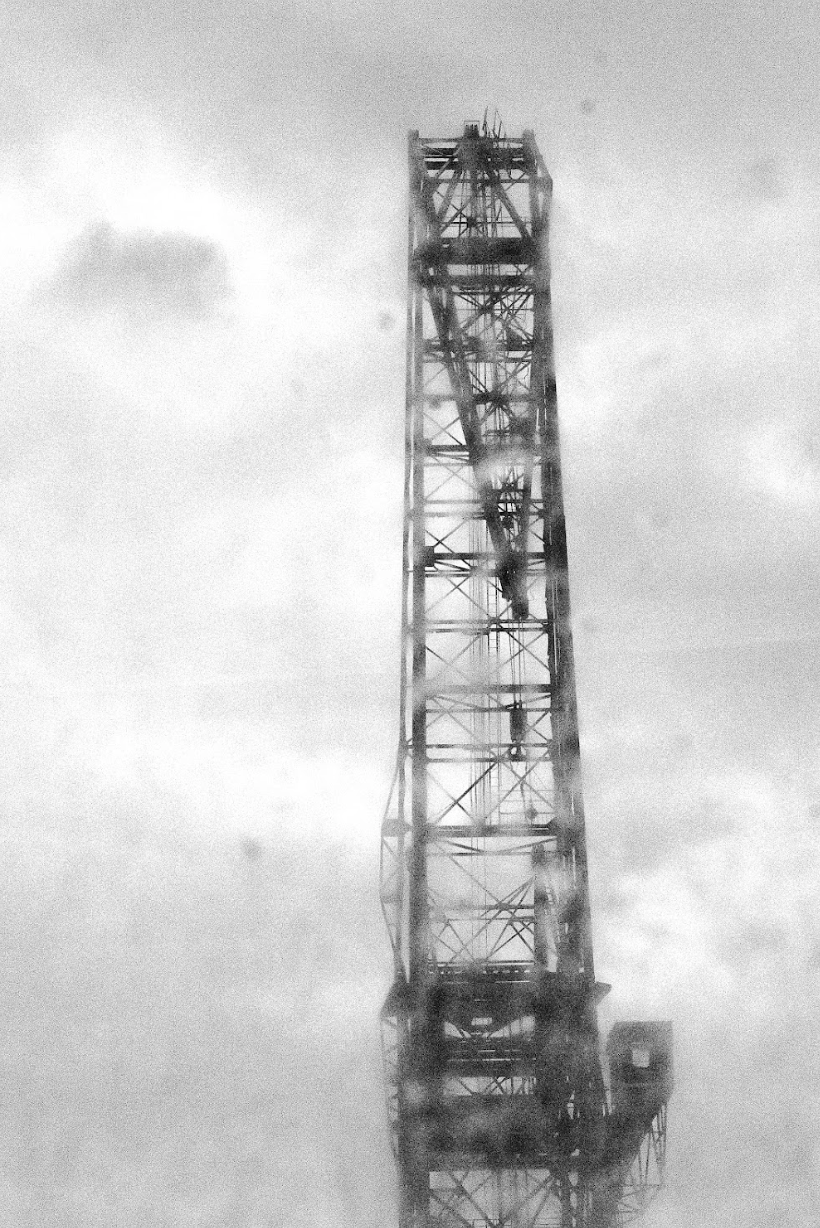
I think I’m drawn to ambiguity because I think things are fluid and always in a state of flux—so, rarely fixed, subject to negotiation.
[metadata: autofocus=unstable | frame_boundary=permeable | image_state=flux]
In your current work, what role do reflections play—conceptually or visually?
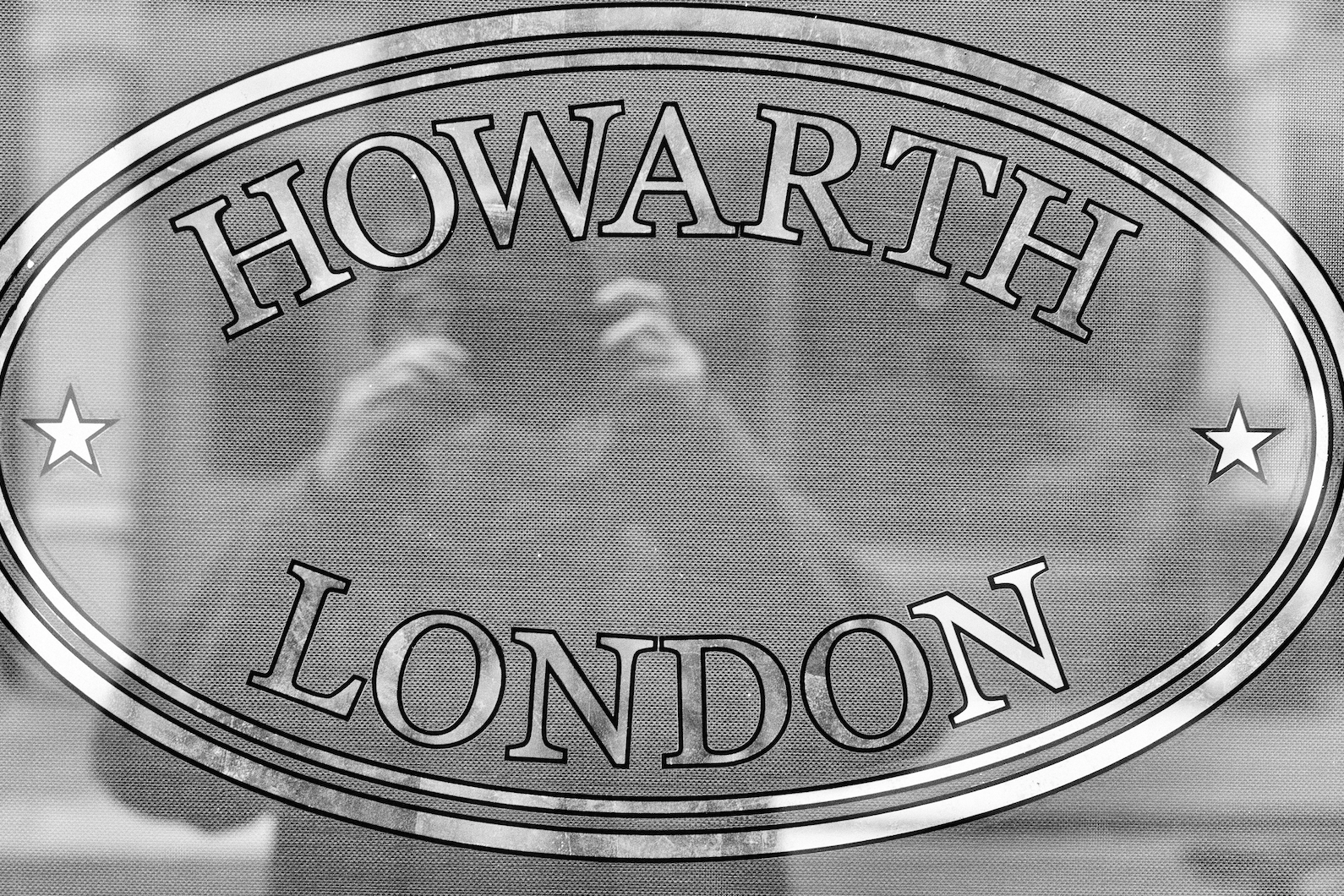
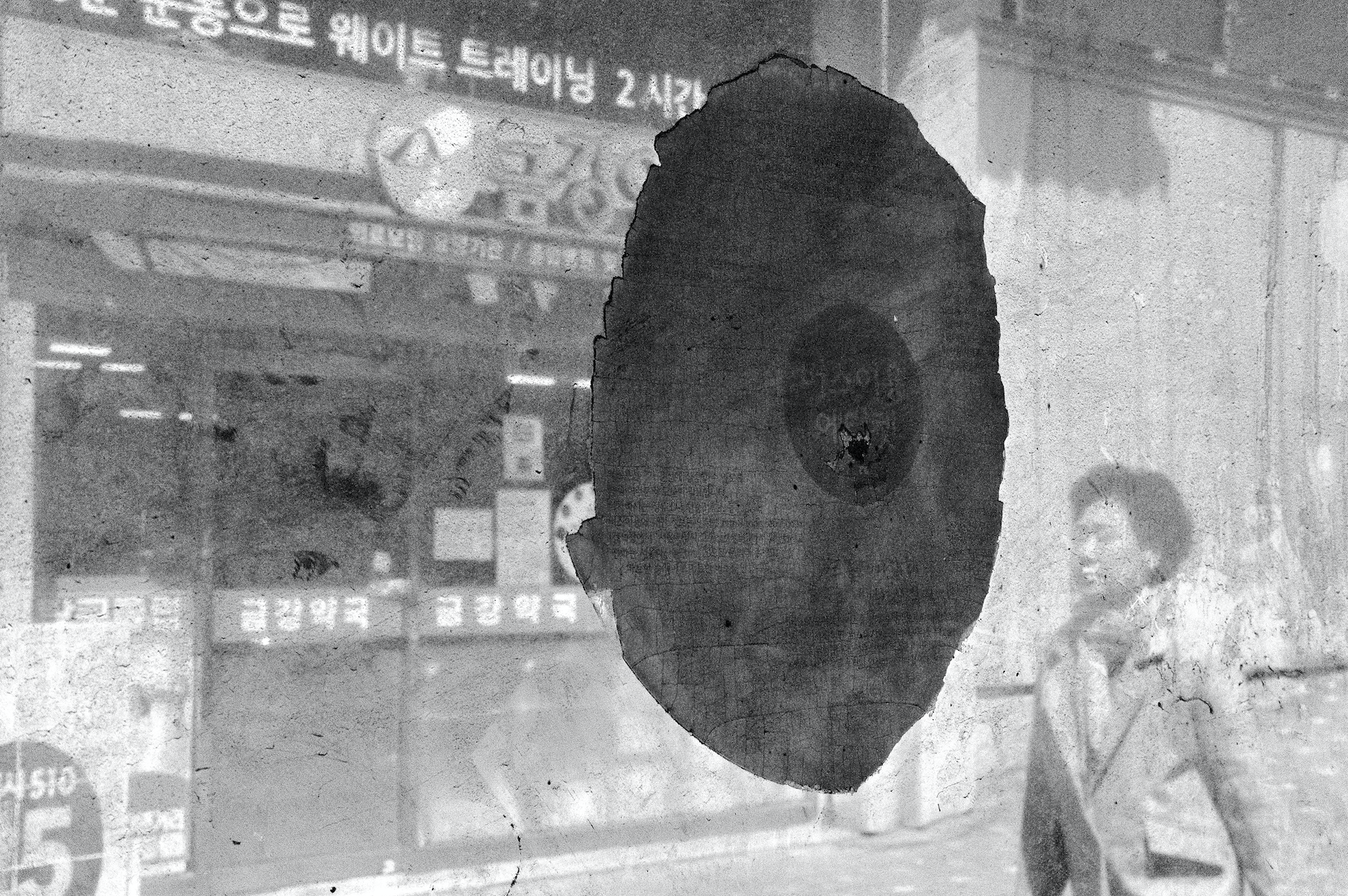
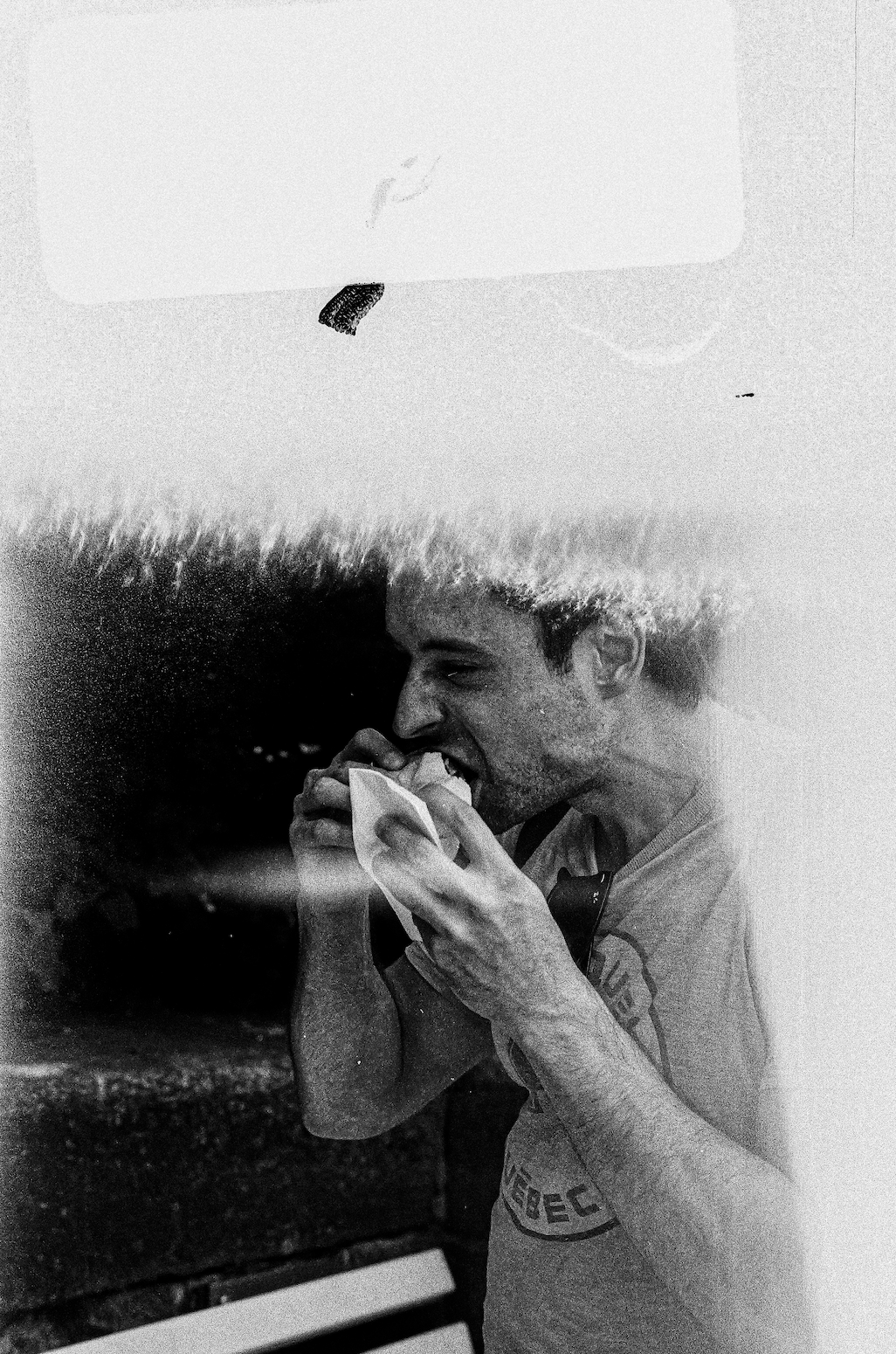
There are a number of reflection shots in my current show at Gallery Louise Linthout in Brussels, and they all distort reality to some degree. A reflection is already a distortion and, depending on the surface (a mirror, a dirty shop window), it can bend supposed reality even more—reality being a construct that can be made fluid, if one so wishes.
[metadata: capture_mode=hybrid | spontaneity=high | suggestion_engine=environmental | failure_rate=normal]
Do you actively search for reflections and distortions, or do they emerge by chance as you work?
Both. I don’t necessarily set out looking for them, but they tend to appear anyway. I plan some shots, but it’s mainly spontaneous and intuitive. After walking around a place for a while, you put yourself in a position to “see” what’s there, and then the photos start suggesting themselves. Of course, they don’t all work.
[metadata: medium_switch=analogue/digital | cost_per_frame=variable | shooting_behaviour=constrained vs iterative]
How does choosing analogue versus digital affect how you move and look?
Using analogue forces you to think more carefully about what you are looking at and framing. You simply cannot afford to waste too many shots, unlike with digital where you can just keep shooting—eventually, you are almost certain to get a good shot.
[metadata: text_preference=white-space | semantic_density=negative-space]
If your photos could “read,” what would they read?
I’d like to think that my photos would enjoy reading Giorgio Pressburger’s The Law of White Spaces. Everything is in the white spaces between the letters—the rest doesn’t count. It’s based on an idea in the Kabbalah that the word of God is in the white scorch marks on the tablet of the Ten Commandments, not in the words themselves.
[metadata: curation_method=exclusion | selection=30→15 | theme_lock=reflection]
When preparing an exhibition, how do you navigate the selection process?
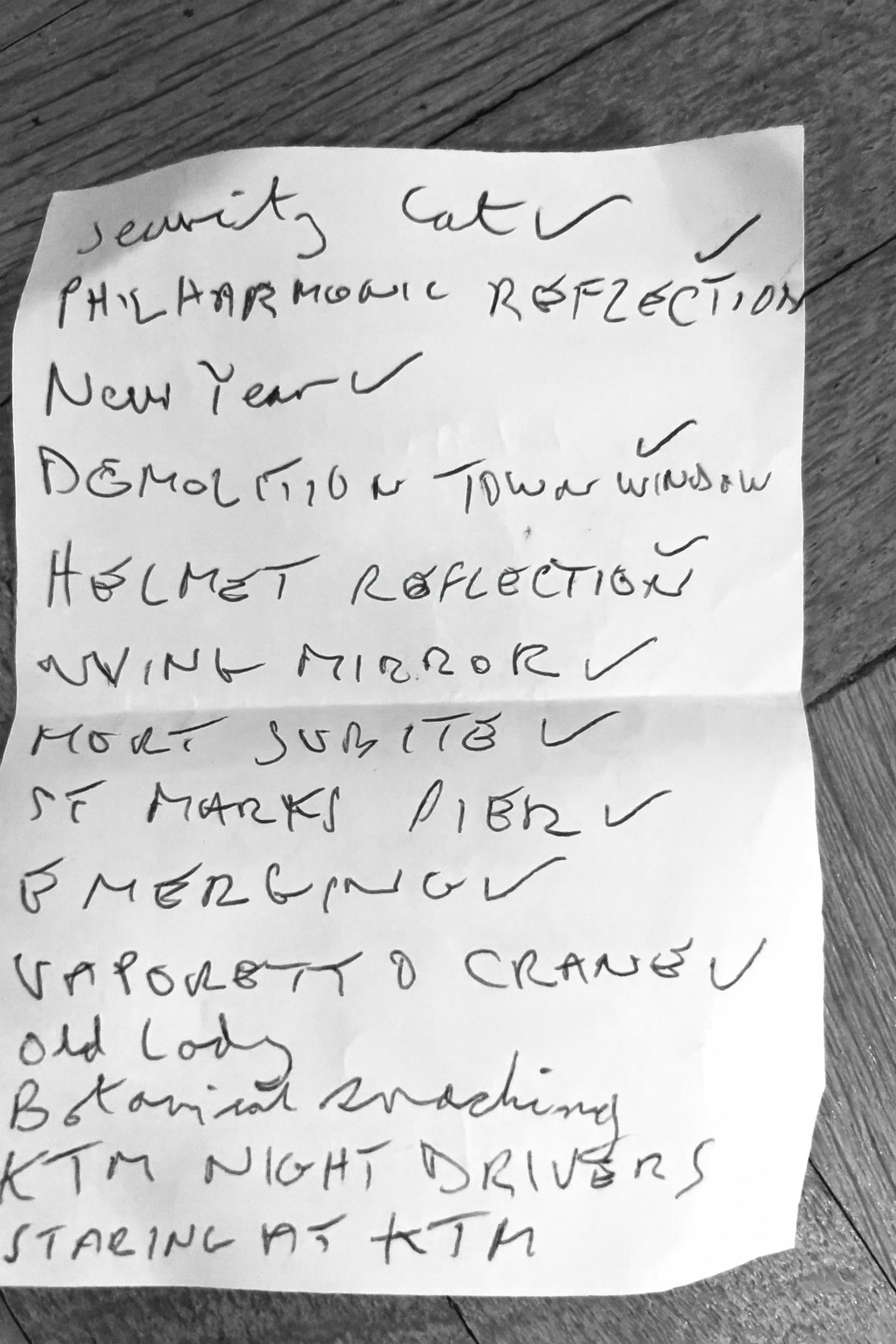
It’s quite difficult, as I have many photos to choose from. For the latest show, Eddy Verloes [the gallery owner] suggested about 15 images at roughly A3+. I decided to focus mainly on the reflection theme and made a preselection of about 30. Then I eliminated images by looking for reasons not to include them. When I couldn’t find any, they stayed.
Can you show me an image that almost made it into the show, but ultimately didn’t? And why?
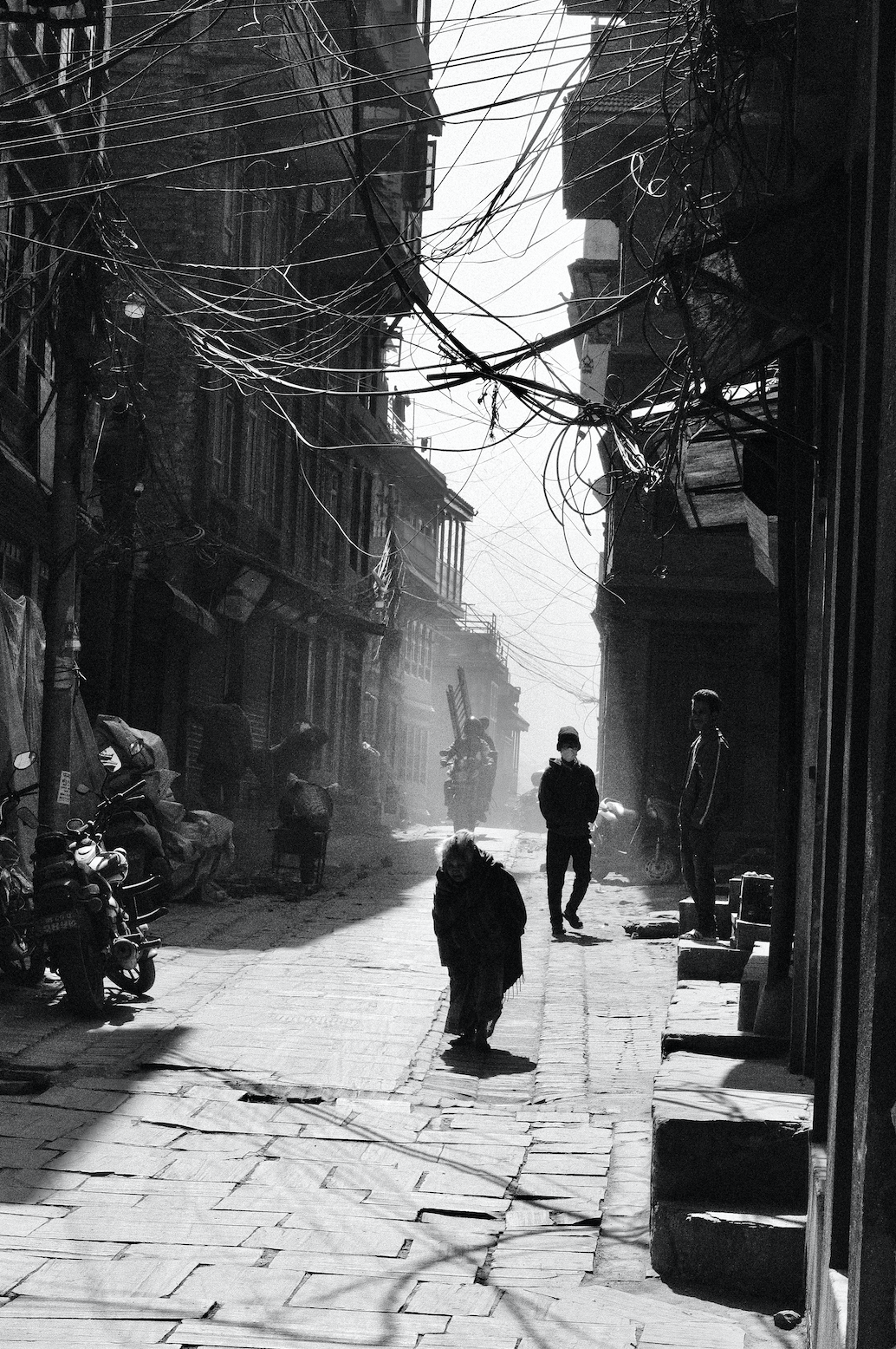
I almost included “Old Lady.” I think it’s a good photo but it didn’t fit with the reflection/distortion theme, so I decided not to include it.
Could you share an example of a “failed” image you still like?
Botanical Snacking is a mistake on many levels, but it’s in the show because I genuinely like it.
Is there a city you find particularly difficult—or particularly inspiring—to photograph?
I find photographing Brussels, where I live, very difficult—maybe it’s the light. On the other hand, I love photographing Seoul and Tokyo.
[metadata: focal_lengths=16/50/56 | primes_only=true]
What does your camera or lens setup look like?
If it’s digital, I use a Fujifilm XPro2 with either a 56mm or 16mm lens. If it’s analogue, I use a Leica M6 with a 50mm lens.
[metadata: timestamp≈T-7days | gps_hint=Paris]
What’s the last photograph sitting on your camera roll right now?
The last image on the camera roll is something or other I shot in Paris a week or so ago. A shadowy man, shot from behind, inside the entrance (shot through the glass between the bars on the door) of the building where Romain Gary lived.
[metadata: worldview_expansion]
How does living in different countries affect your way of seeing?
Living in different countries definitely affects how you see things. It might be the geography, but living in different cultures—like reading books—widens your sense of what realities are possible. It changes you to some degree, and so it changes the creative work you produce.
[metadata: audio_linked=true | style=spiritual-jazz]
If this exhibition had a soundtrack, what would be playing in the space?
Don Cherry’s Complete Communion.


